
When people think about business failure, they usually imagine a dramatic moment.
A sudden collapse.
A big mistake.
A single bad decision that brings everything down.
That’s rarely how it happens.
Most businesses don’t fail all at once. They fade. Slowly. Quietly. Often while things still look “fine” from the outside.
The ending feels sudden only because the warning signs were easy to ignore.
Failure Usually Starts Long Before Anyone Notices
In the early stages, nothing looks broken.
Sales are still coming in.
Customers haven’t disappeared.
The business is still operating.
But underneath that surface, pressure is building.
Margins shrink a little.
Cash becomes tighter month by month.
Bills start getting pushed just slightly later.
Each issue feels manageable on its own. Together, they start compounding.
Revenue Can Look Healthy While Cash Is Disappearing
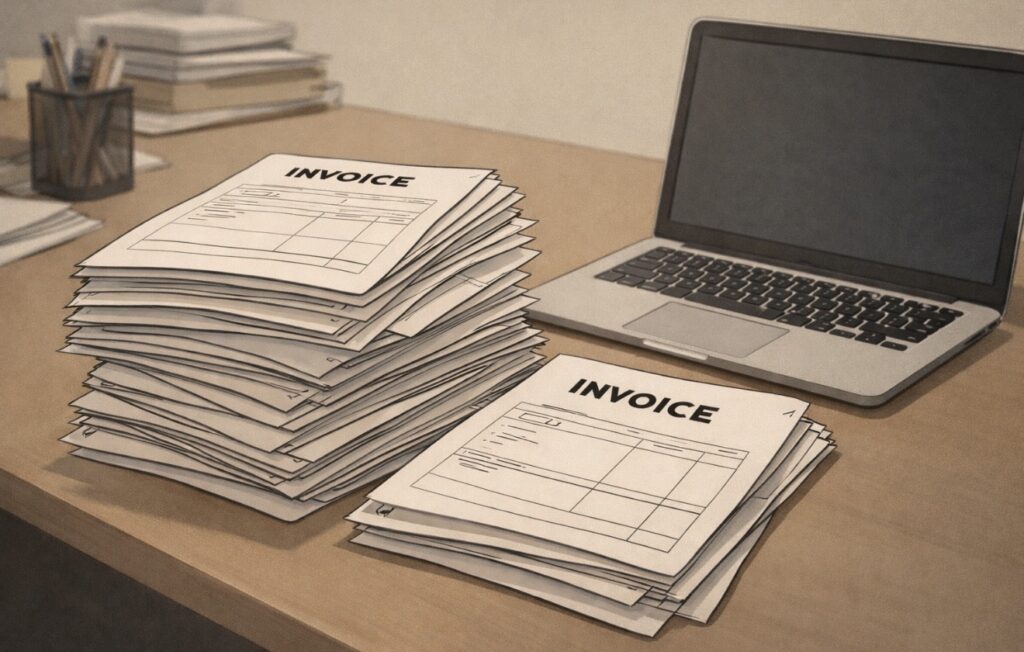
One of the most common quiet failure patterns is this: the business is “doing sales,” but cash is getting harder to find.
Customers pay slower.
Inventory takes longer to move.
Expenses stay fixed while flexibility disappears.
From the outside, the business looks active. From the inside, it feels increasingly constrained.
This is why owners are often confused when things finally break. Revenue didn’t collapse. It just stopped helping.
Growth Can Make Things Worse, Not Better

Another quiet failure comes from growth itself.
As activity increases, so do costs. More inventory. More staff. More obligations that need to be paid before revenue turns into cash.
If a business doesn’t have enough room financially, growth becomes a strain instead of a solution.
The business looks busy. The numbers look bigger. But the margin for error gets thinner every month.
Demand Weakness Is Easy to Rationalize
Insufficient demand rarely announces itself loudly.
Instead, it shows up as small adjustments.
More discounts.
More promotions.
More effort just to maintain the same results.
At first, these changes feel strategic. Temporary. Necessary.
Over time, they become permanent. And profitability quietly disappears.
Quiet Failure Is Mostly About Small Decisions
Rarely does one choice destroy a business.
What actually happens is a series of small decisions made under pressure.
Delaying expenses.
Accepting lower margins “for now.”
Choosing short-term relief over long-term stability.
Each decision makes sense in isolation. Together, they narrow options until there aren’t many left.
By the time the final moment arrives, most of the damage has already been done.
Why It Feels Sudden From the Outside
When a business finally closes, outsiders are often surprised.
“They seemed busy.”
“They just expanded.”
“They were doing fine last year.”
That’s because quiet failure doesn’t change appearances quickly. It changes resilience.
The business loses its ability to absorb stress. One unexpected event doesn’t cause the failure. It simply exposes how fragile things already were.
Survival Is the Real Skill
Successful businesses aren’t the ones that never face problems.
They’re the ones that notice small problems early, while they’re still cheap to fix.
Failure isn’t usually dramatic.
It’s gradual.
And it’s almost always visible in hindsight.
Final Thoughts

Businesses don’t usually die from one big mistake.
They fade through a series of small compromises that feel reasonable at the time.
Each decision on its own doesn’t look dangerous. Delaying a payment. Accepting a lower margin. Choosing short-term relief over long-term stability.
But those compromises stack.
Cash tightens. Flexibility disappears. Options shrink.
By the time failure feels sudden, it has already been unfolding quietly for a long time.
Understanding that doesn’t make business easy.
But it makes failure far less mysterious and far less sudden than it appears.
Leave a Reply