
Precision sounds impressive.
Perfect timing.
Perfect decisions.
The exact right move at the exact right moment.
It feels like intelligence. It feels like control.
But in most real situations, precision is overrated. Consistency is what actually carries results.
Precision Feels Smart. Consistency Feels Boring.

Precision promises efficiency. Do it once, do it right, and you’re done.
Consistency asks for repetition. Showing up again. Doing something reasonable even when it doesn’t feel optimal.
That’s why people gravitate toward precision. It flatters the ego. It feels like mastery.
Consistency, on the other hand, looks unremarkable while it’s happening.
Real Systems Don’t Reward Perfection
Markets don’t wait for perfect entries.
Businesses don’t pause until everything is aligned.
Life doesn’t offer clean setups on demand.
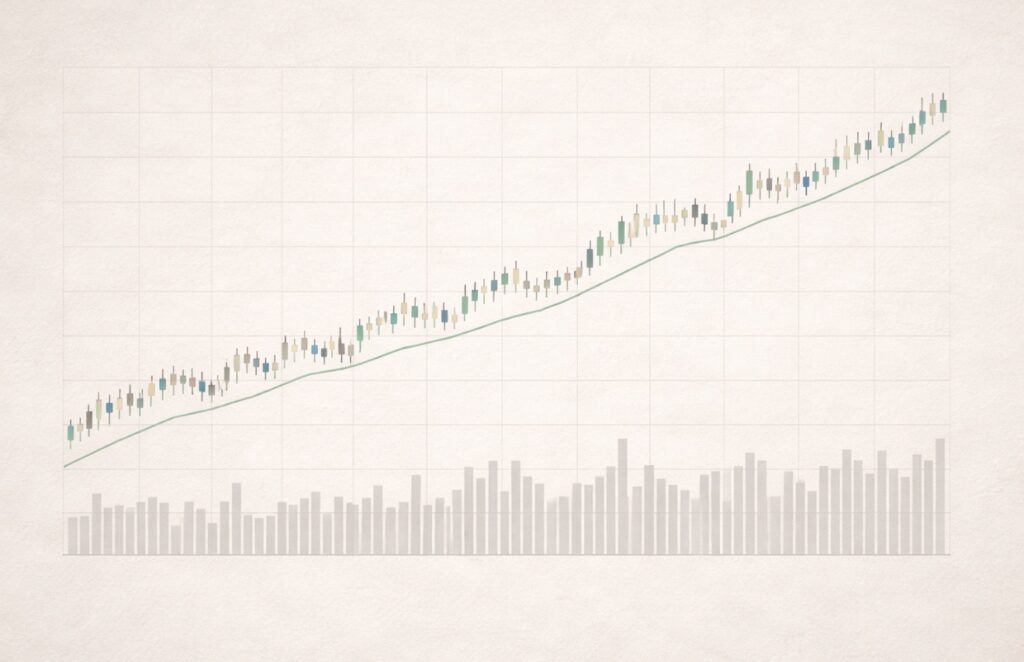
Most outcomes are shaped by exposure over time, not by a single well-timed action.
In investing, missing a few strong periods often matters more than avoiding a few bad ones. Trying to be precise about timing usually reduces exposure. Staying consistent keeps you in the game.
The same pattern shows up everywhere.
Precision Breaks Under Pressure
Precision works best in controlled environments.
But pressure removes control.
Emotions rise. Information becomes incomplete. Decisions get rushed. What looked optimal in theory becomes impossible to execute in practice.
Consistency holds up better because it requires less judgment in the moment.
It doesn’t ask, “Is this the perfect time?”
It asks, “Is this still the plan?”
Consistency Turns Average Decisions Into Strong Outcomes
Most successful results aren’t built on exceptional moves.
That difference matters.
They’re built on ordinary actions repeated long enough to compound.
Showing up regularly matters more than getting it exactly right once.
A consistent process absorbs mistakes.
A precision-focused approach magnifies them.
Miss once, and there’s nothing to fall back on.
Precision Encourages Hesitation

One quiet downside of chasing precision is delay.
Waiting for the perfect setup often turns into waiting too long. Action gets postponed. Momentum fades.
Consistency doesn’t wait for certainty. It moves forward with incomplete information and adjusts along the way.
That forward motion is often the real advantage.
Why This Feels Backward at First
People expect results to come from brilliance.
But most systems reward endurance.
Consistency keeps you exposed to upside.
Precision often pulls you out while you wait.
That’s why consistency feels slow but wins over time, while precision feels sharp but fragile.
Final Thoughts

Precision tries to eliminate mistakes.
Consistency survives them.
In the real world, survival matters more than perfection.
Not because perfection is bad, but because it’s rare, unstable, and hard to repeat.
Consistency doesn’t look impressive in the moment.
But over time, it quietly does the work precision promised.
Leave a Reply