For startups, this choice is not about brand or prestige.
It’s about fees, limits, and friction once money starts moving.
Chase and Wells Fargo both offer basic business checking. They look similar on paper. In practice, they behave differently.
Here’s where it actually shows.
Monthly Fees: Same Price, Different Triggers

Both banks list a monthly fee on their entry-level business accounts.
Chase
The fee can be avoided if the account shows enough activity. Chase explicitly ties fee waivers to things like card spending, payment processing deposits, or keeping a modest balance.
Chase favors movement.
Wells Fargo
The fee waiver is tied more directly to maintaining balances. Keep a certain amount sitting in the account or across linked accounts, and the fee disappears.
Wells Fargo favors stored money.
This is the first real difference. One rewards activity. The other rewards idle cash.
Transaction Limits: This Is Where Costs Start Appearing
Chase
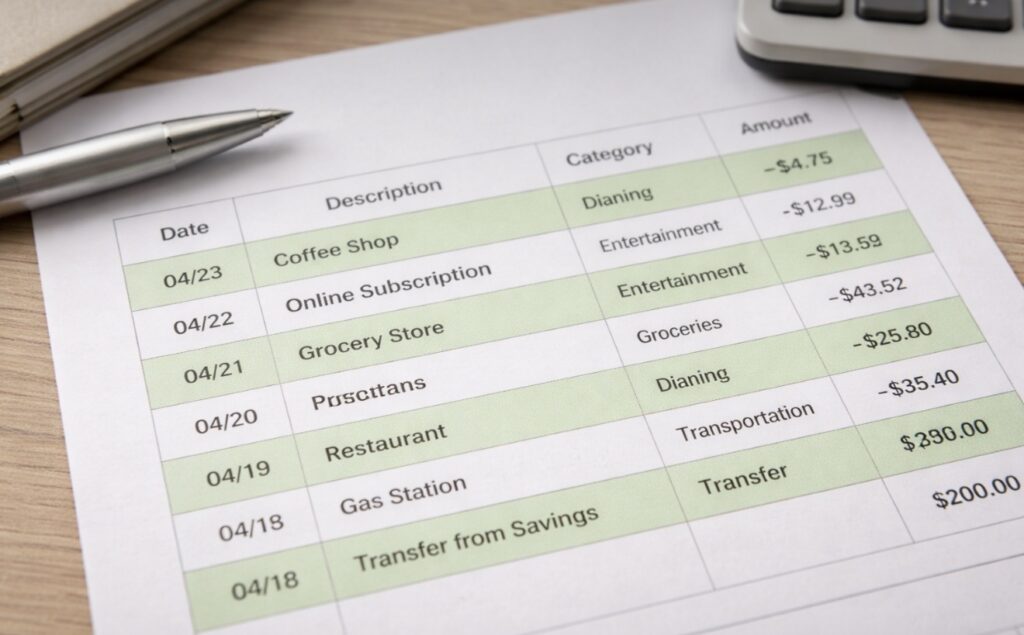
The starter account includes a low number of no-fee transactions. After that, transactions start costing money.
For a startup that sends payments, receives frequent transfers, or runs payroll early, this limit is reached faster than expected.
Wells Fargo
The starter account includes more no-fee transactions each month, with a clear per-transaction fee once the limit is exceeded.
The result is simple:
Wells Fargo is more forgiving for high transaction volume at the entry level.
Cash Deposits: Clear vs Tiered
Wells Fargo
Cash deposit limits are clearly stated. You get a defined allowance per month. After that, the fee is predictable and transparent.
Chase
Cash deposit fees exist but depend more on account tier and structure. As activity grows, startups often need to move up to higher-tier accounts to avoid friction.
For cash-heavy businesses, Wells Fargo is easier to understand early. Chase becomes cleaner only at higher tiers.
Wire and ACH Fees: Similar, But They Add Up Differently
Both banks charge for outgoing wires, same-day ACH, and certain investigations.
The difference is frequency.
Startups that rely on frequent payments, contractor payouts, or rapid transfers tend to hit Chase’s transaction thresholds sooner. Wells Fargo’s limits give more breathing room at the entry level.
Branch Access and Support
Both banks have large branch networks.
Neither guarantees better service.
Support quality varies by branch, not by brand. This is not a differentiator unless in-person banking is critical to the business.
The Short Answer
- Chase works better for startups that run payments, cards, and activity through Chase’s ecosystem and expect to upgrade accounts as they grow.
- Wells Fargo works better for startups that want higher transaction allowances and predictable fees without immediately moving to higher tiers.
Final Thoughts

Startups don’t lose money to banks through big fees.
They lose it through small, repeatable charges that start appearing once activity increases.
Chase and Wells Fargo both charge those fees.
They just trigger them in different ways.
That’s the real difference, and that’s what startups actually feel.
Leave a Reply