
Print on demand didn’t disappear.
It just stopped being easy.
That difference matters more than most people realize.
A few years ago, POD felt simple. Upload a design. Connect a supplier. List it on a marketplace. Wait for orders. The success stories made it feel almost automatic.
In 2026, that version of print on demand barely exists anymore.
Not because the business model failed, but because the conditions changed.
The Model Didn’t Die. The Shortcut Did.
Print on demand is still growing as an industry. More products are being printed this way than ever before.
What changed is who captures the value.
Early on, the market rewarded anyone who showed up. Low competition made average designs profitable. Visibility came easily. Pricing pressure was light.
As more sellers entered, that cushion disappeared.
Today, print on demand works less like a shortcut and more like a real business.
The Margins Are Thinner Than Most Expect
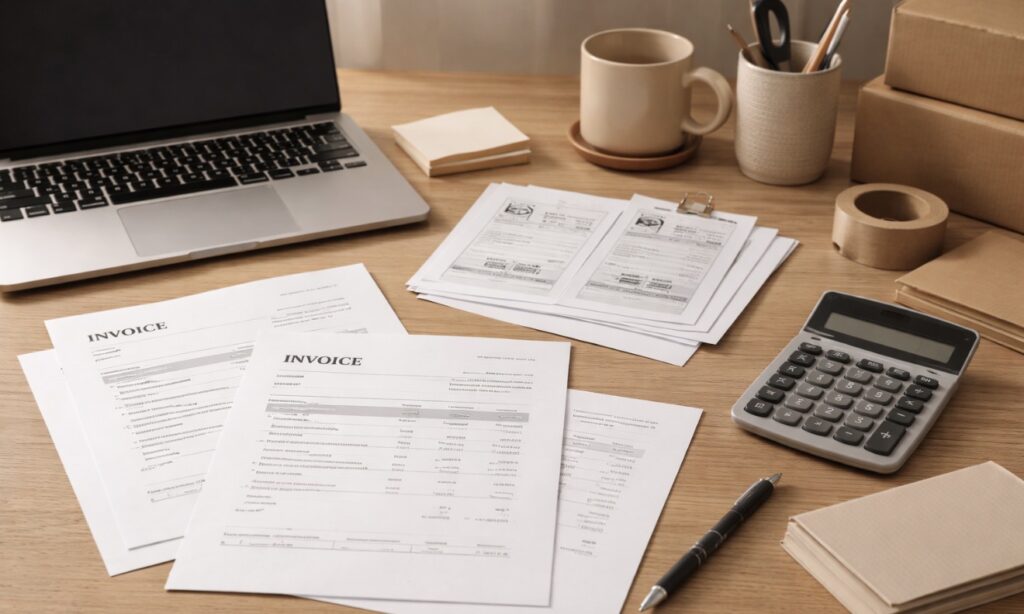
One of the quiet shocks for beginners is how little room there is for error.
Printing costs.
Shipping costs.
Platform fees.
Refunds.
Marketing.
Each one seems small on its own. Together, they decide whether the business survives.
On paper, a product might look profitable. In reality, a few percentage points lost to fees or discounts can erase the margin entirely.
This is why so many POD stores feel busy but never feel stable.
Saturation Changed the Game
Print on demand isn’t saturated everywhere. It’s saturated in the obvious places.
Generic designs.
Broad slogans.
Crowded marketplaces where price becomes the only differentiator.
When products look interchangeable, the cheapest option wins. And cheap is where print on demand struggles the most.
What still works tends to look less scalable at first. Smaller audiences. Narrower appeal. Clear identity.
Not because it’s trendy, but because it escapes price wars.
POD Is Fulfillment, Not the Business
This is the part most people miss.
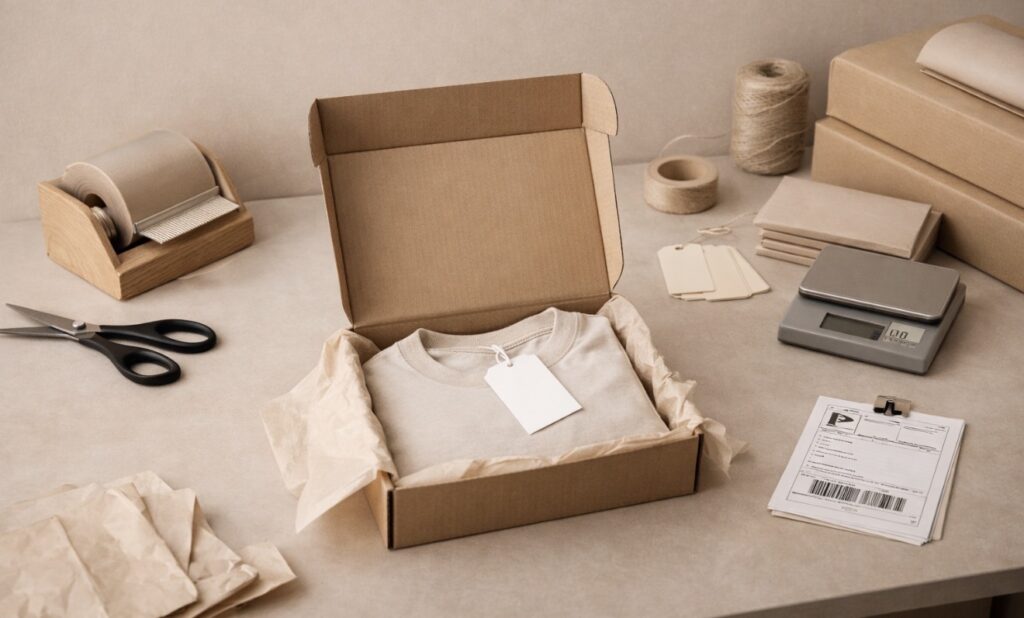
Print on demand doesn’t create demand. It fulfills it.
The real business is attention, trust, and distribution. The printing happens at the end.
People who succeed with POD in 2026 usually bring something with them. An audience. A brand. A community. A reason someone would choose their product over dozens of similar ones.
Without that, every sale has to be fought for individually. And that’s expensive.
Why It Feels “Dead” to So Many People
Print on demand feels dead because the easy wins are gone.
The phase where effort alone produced results is over.
What’s left requires patience, positioning, and realistic expectations. And that’s not what most people signed up for.
So they quit quietly. Not because POD stopped working, but because it started behaving like a real business.
So, Is It Still Worth It?
That depends on what you expect it to be.
If you’re looking for a low-effort side hustle that prints money with minimal thought, no.
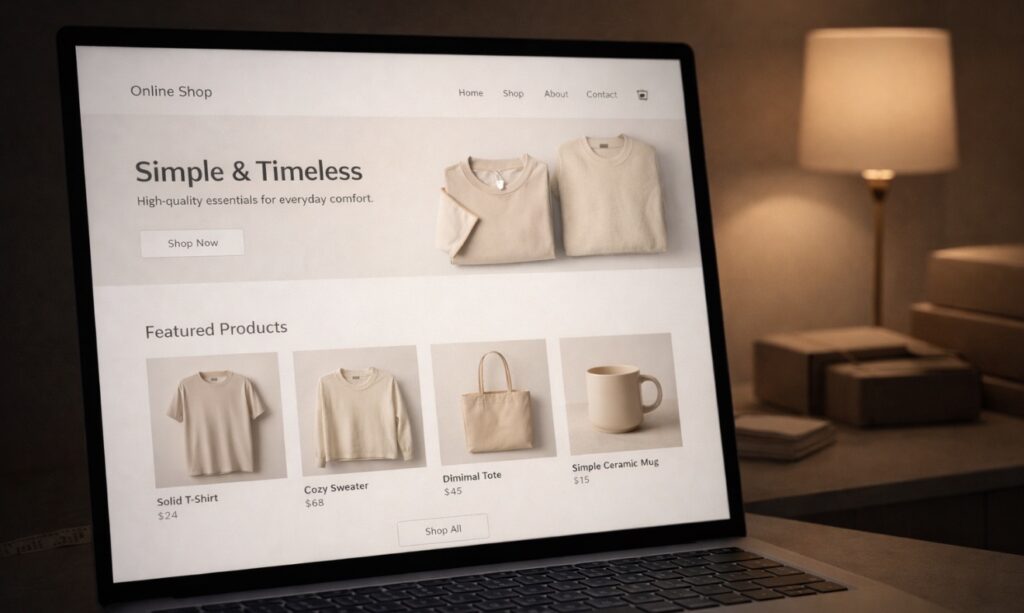
If you see it as a way to sell physical products without inventory risk, and you’re willing to treat distribution and branding as the actual work, it can still make sense.
Print on demand didn’t become bad.
It became honest.
Every business model goes through this phase.
Early simplicity creates hype.
Hype attracts competition.
Competition forces reality.
Print on demand in 2026 sits firmly in that last stage.
Not dead.
Not easy.
Just real.
And for the right kind of builder, that’s not a dealbreaker.
Leave a Reply